
Plant of the Month: Epimediums
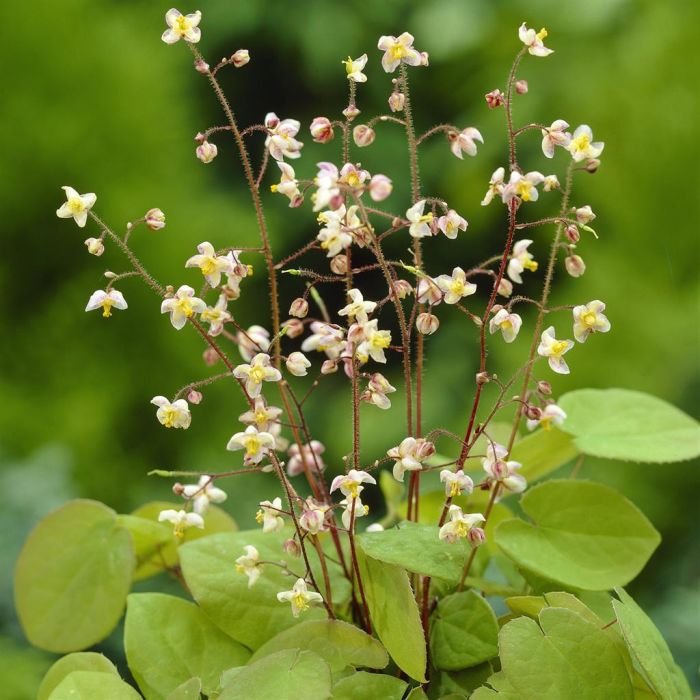
Epimediums: The Quiet Super Star of the Shaded Garden
If you garden in shade, chances are you’ve heard of Epimediums— Sometimes called barrenwort or bishop’s hat, Epimediums are among the most reliable and elegant perennials for dry shade, combining delicate spring flowers with attractive foliage that lasts for months. I once dismissed Epimediums as fairly ordinary, I now cherish them as extraordinary plants that work hard all year round. They are a living legacy of a friend and mentor who showed me how to truly appreciate their subtle wonder.
What Are Epimediums?
Epimedium is a genus of woodland perennials native mainly to Asia, with a few species from Europe and the Mediterranean. They thrive in the dappled shade of trees and shrubs, making them perfect companions for woodland-style gardens.
Despite their delicate appearance, epimediums are surprisingly tough. Once established, many varieties tolerate dry soil and root competition—conditions that defeat most other shade plants.
Why Gardeners Love Them
1. Beautiful Spring Flowers
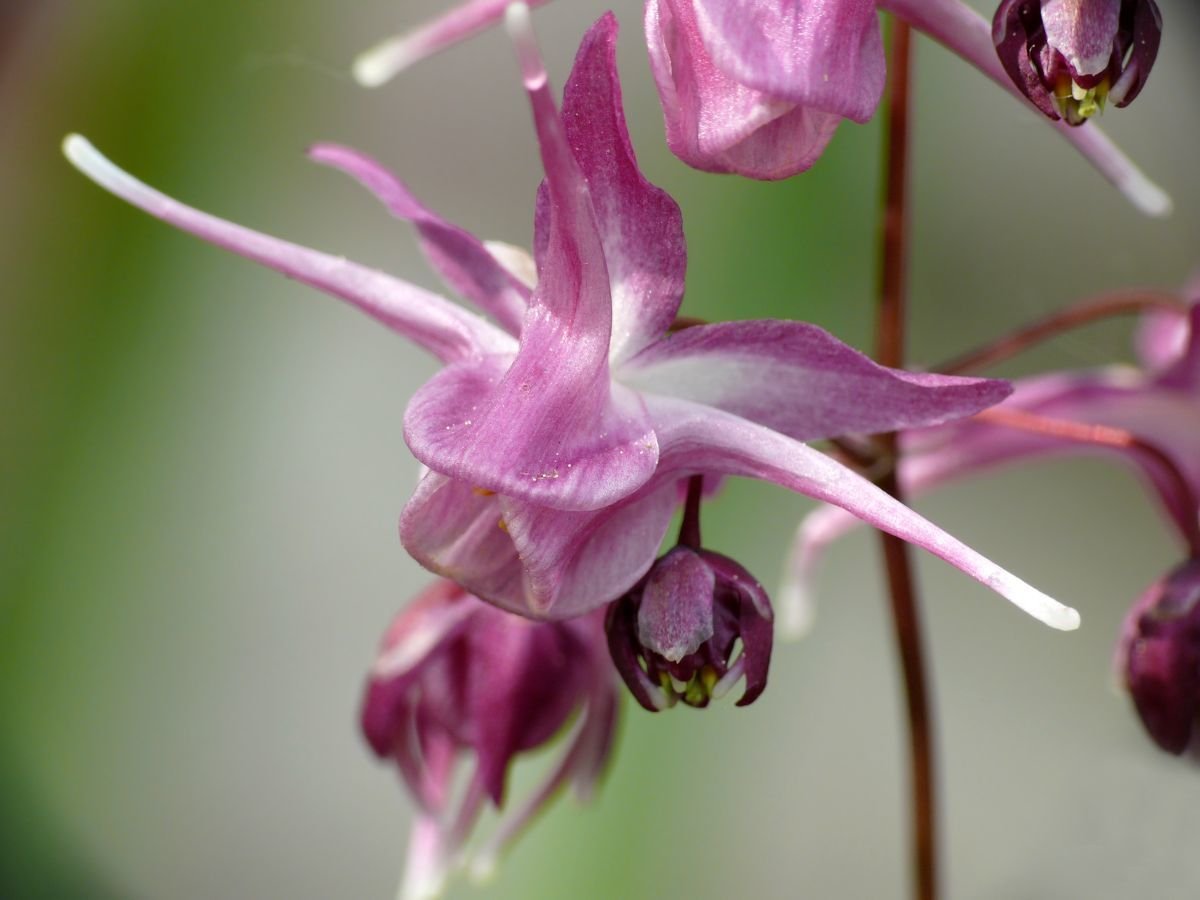
In early to mid-spring, epimediums produce airy sprays of flowers that seem to float above the foliage. The blooms resemble tiny stars or dancing spiders and come in shades of:
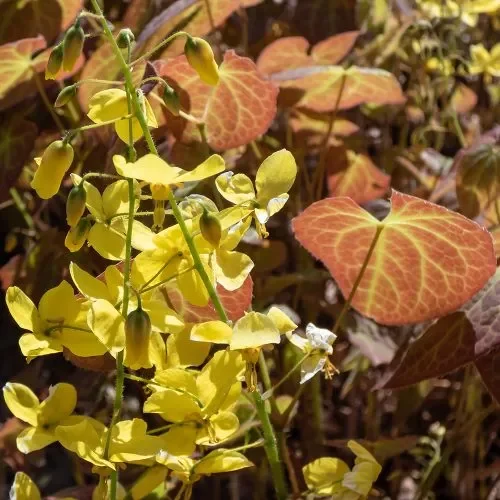
Soft yellow
White
Pink
Lavender
Deep red
Some varieties even combine multiple colours in one flower.
2. Elegant, Long-Lasting Foliage
The leaves are just as valuable as the flowers. Many epimediums emerge in spring with bronze or red tints before maturing to green. In autumn, the foliage often turns warm shades of copper or crimson.
Evergreen species provide year-round interest in milder climates.
3. Perfect for Difficult Shade
Epimediums excel where other plants struggle:
Under mature trees
In dry shade
Along woodland paths
Beneath hedges or shrubs
Their rhizomatous roots slowly form a graceful groundcover without becoming invasive.
Popular Epimediums for the Garden
Some of the best-known species and hybrids include:
Epimedium x perralchicum – One of the toughest and most reliable, with cheerful yellow flowers.
Epimedium grandiflorum – Famous for its large, elegant blooms in pink, white, or lilac.
Epimedium x versicolor – A graceful hybrid with yellow flowers and attractive foliage.
Epimedium pubigerum – An evergreen species ideal for dry shade.
Each has its own personality, but all share the same woodland charm.
How to Grow Epimediums
Light: Partial to full shade
Soil: Moist but well-drained; tolerant of dry soil once established
Water: Moderate while establishing, low afterward
Hardiness: Generally hardy in temperate climates
A key maintenance tip: cut back old leaves in late winter before the flowers appear. This allows the delicate blooms to shine and encourages fresh foliage.
Garden Design Ideas
Epimediums pair beautifully with other shade lovers, such as:
Hosta
Helleborus
Pulmonaria
Ferns
They’re particularly effective planted in drifts beneath deciduous trees, where their spring flowers appear just as the canopy begins to leaf out.
A Plant Worth Discovering
Epimediums may not shout for attention, but they reward patient gardeners with subtle beauty and remarkable resilience. In the right setting—cool shade and naturalistic planting—they become one of the most dependable and charming perennials you can grow.
For anyone looking to transform a difficult shady corner into something quietly magical, epimediums are well worth exploring.
Plant of the Month: Mahonia
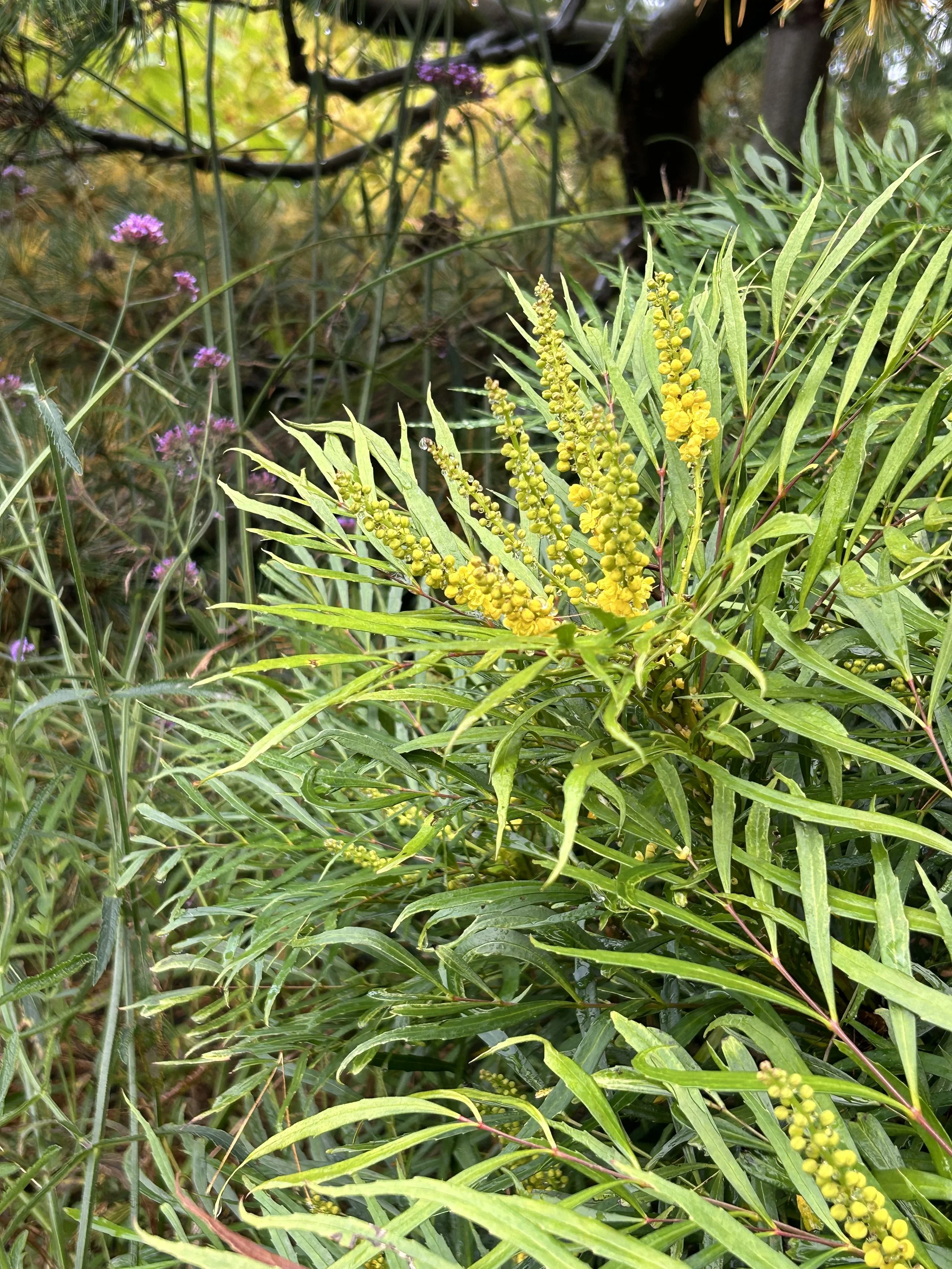
Mahonia eurybracteata sbsq. ganpinensis ‘Soft Caress’
Growing up, I firmly filed the common mahonia under “car park shrub”. Tough, spiky, vaguely menacing. How wrong I was.
That said, I’ll stand by one thing: getting snagged by a mahonia leaf is no joke. If you’re pruning one, invest in gloves sturdy enough for Kes to perch on.
In reality Mahonia’s bring real presence to the garden, with winding stems and gnarled bark that create striking structure all year round. In autumn and winter they truly come into their own, carrying the garden through the quieter months and bursting into bloom from late autumn through January. Their bright yellow flowers may be small, but they’re packed into dramatic spikes or clusters that glow against dark foliage and grey skies.
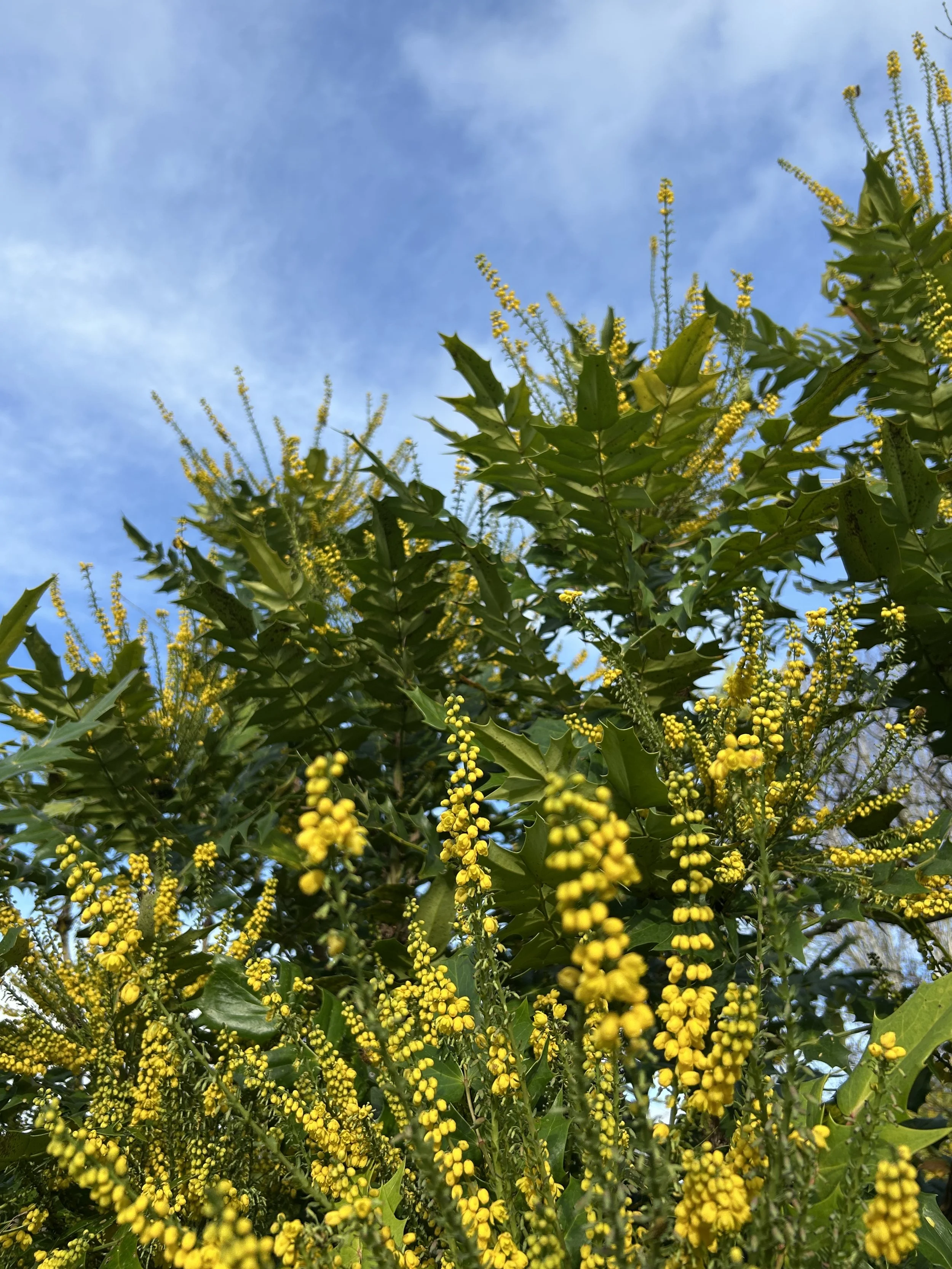
These flowers are a magnet for wildlife: bees, butterflies, ladybirds and other pollinators flock to them when there is less on offer. Later, silvery-purple berries follow, which are eagerly snapped up by birds.
Mahonias are best described as “architectural” evergreens. They have a bold, sculptural quality, with glossy, jagged leaflets arranged along long leaves, often likened to holly. This spiky form adds contrast and texture, especially effective in shaded areas where many plants struggle to shine.
Of course, there’s always an exception. Enter Mahonia ‘Soft Caress’. Unlike its tougher cousins, this variety has a soft, flexible habit and fine, willowy leaves that move gently with the slightest breeze — proof that mahonia’s can be elegant as well as bold.
There are around 70 species in the garden, but here are a few of my favourites from the RHS:
Mahonia × media 'Charity' (AGM): A robust, upright shrub reaching 4m, producing fragrant yellow flowers from late autumn to winter.
Mahonia × media 'Winter Sun' (AGM): Highly regarded for its intense winter fragrance and reliable flowering.
Mahonia japonica (AGM): A classic, hardy, spreading evergreen with large, fragrant, pale yellow flower sprays.
Mahonia eurybracteata 'Soft Caress' (AGM): Ideal for small gardens or pots due to its compact nature and, uniquely, lack of spines.
Mahonia × media 'Lionel Fortescue' (AGM): Noted for its tall, erect, and dense yellow flower clusters.